The Hidden Life of Urushi
Lacquerware starts not in a workshop, but in a wounded tree exhaling a sticky, grey-white venom. This sap, urushi, is a living material that hardens only when embraced by humid air. The poison, which can raise blisters on human skin, transforms into the most elegant Japanese design known to man. It is a paradox where danger becomes a smooth, eternal heritage under the hands of masters. Few handmade crafts blur the line between horticulture and high art like lacquerware.
Harvesting the sap is a slow, dying ritual requiring vertical incisions on mature trees. One tree yields merely a cup of essence before being felled for timber. The artisans who extract this liquid gold respect the sacrifice of the forest with a near-religious solemnity. This is the unglamorous origin of glossy Japanese design that magazines rarely photograph. The true heritage lies in this fatal, generous exchange between the human hand and the tree.
The application process dismantles all modern illusions of instant gratification. A single lacquerware bowl might receive thirty layers over as many days. Between each coat, the object rests in a warm, wet cabinet to catalyze the hardening of the ceramics-like skin. Waiting is the sharpest tool in the handmade crafts workshop. Patience is not a virtue here but a physical necessity for authentic heritage.
The most mesmerizing technique is maki-e, where gold dust is sprinkled onto wet lacquer using bamboo tubes. A tiny crane painted in this method requires breath control akin to a sniper. This metallic alchemy elevates functional Japanese design into a narrative art form. Such lacquerware carries the weight of a thousand-year-old heritage within its shimmering surface. The artisans are essentially painting with light trapped in resin.
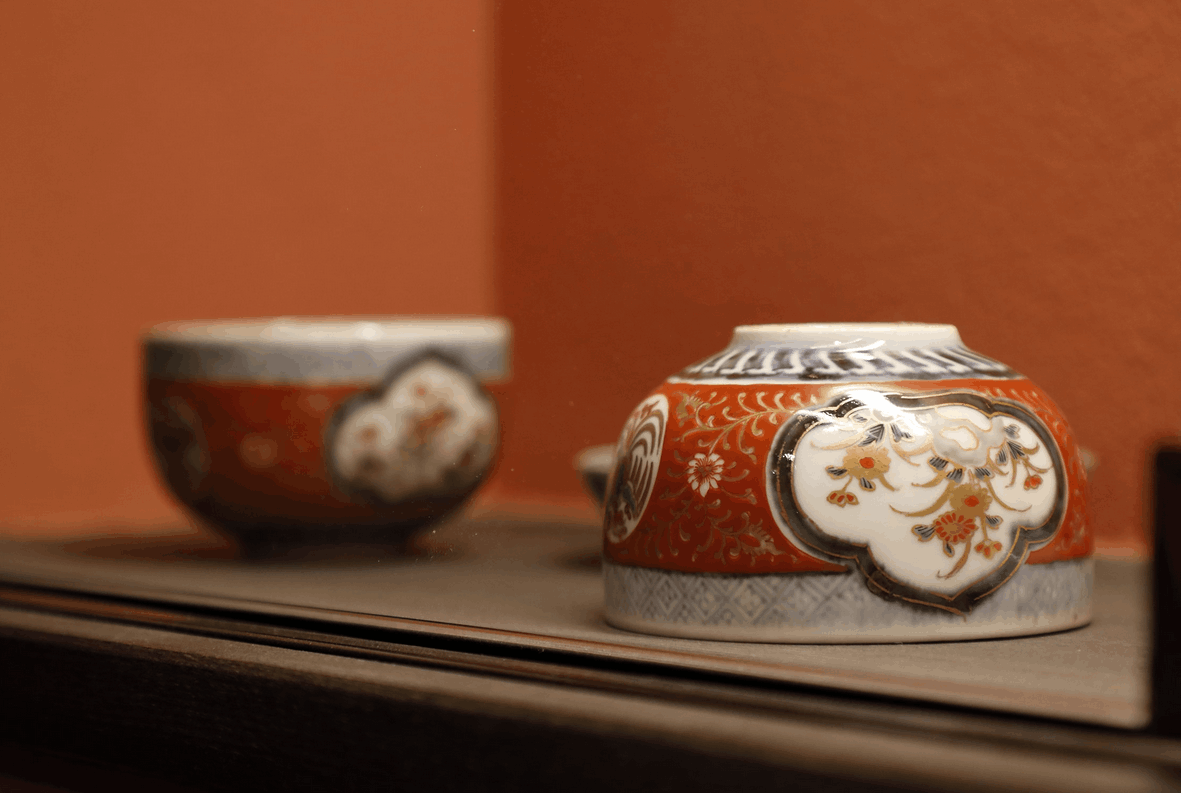
Red and black dominate the aesthetic vocabulary because of their chemical properties. Iron oxide creates a deep vermilion that historically warded off evil spirits. Only the purest carbon creates the black infinity reflecting a candle's flame. These colors dictate the visual language of ritual and tea in Japanese design. Modern ceramics often borrow this color theory from ancient lacquerware traditions.
Repairing a chipped piece with gold-dusted lacquer enacts the philosophy of kintsugi. The scar becomes the object's most beautiful feature rather than a hidden flaw. This practice redefines handmade crafts as entities that grow more valuable through accident and time. It is the ultimate rejection of the throwaway culture by Japanese design purists. Our heritage teaches us that breakage and repair are part of a life well-lived.
Sadly, cheaper plastic and chemical coatings threaten these ancient urushi practices. The tactile warmth of true lacquerware cannot be replicated by petroleum-based synthetics. We must educate our hands to distinguish the soul of a living coating. Supporting pure ceramics and lacquerware directly sustains the forests and farmers. This biodiversity of handmade crafts represents a fragile heritage we are bound to protect.