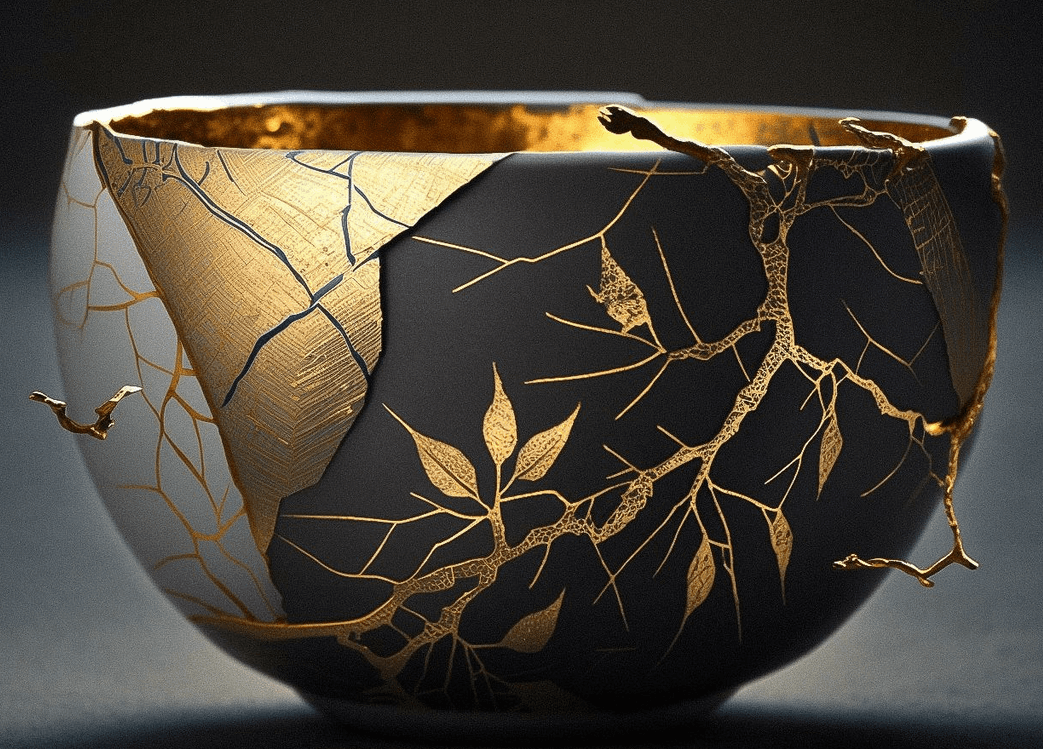
Fire Patterns on Mountain Clay
Anagama kiln firing is the ultimate gamble where flame decides the aesthetic. Wood burns, ash swirls, and silica melts in a chaotic ballet that defines wild pottery. Unlike electric consistency, this method of making ceramics insists on collaboration with thermodynamics. The artisans become stokers, feeding the dragon for days to paint surfaces with ember. It represents a volatile chapter in Japanese design that requires a surrender of control.
This ancient single-chambered tunnel kiln originated from the Asian mainland centuries ago. Shigaraki and Bizen are the spiritual homelands of this specific heritage of ash-glazing. The clay recipes used here must resist warping under prolonged thermal assault. Firing this unglazed ceramics requires a sixth sense for temperature. The artisans observe the color of the liquid flame to judge the maturity of the pottery.
Natural ash flies through the kiln atmosphere and settles horizontally like snow on shoulders. This molten residue vitrifies into a glassy, unpredictable skin of greens and grays. No brush can replicate the flowing drapery of this wild Japanese design. It makes each piece of ceramics a unique landscape of the fire’s mood. The heritage embedded here is geological and instantaneous at once.
Pine wood is the preferred fuel because it produces a high volume of floating alkaline ash. The artisans must split hundreds of logs, ensuring a rhythm that never lets the heat drop. Sweat mixes with clay dust in a ceremony of physical dedication to handmade crafts. This intense labor is a stark contrast to the quiet studio pottery of electric wheels. It underscores a masculine, raw branch of Japanese design history.
The results are often sculptural objects with scorch marks called "koge" and glassy drips called "tamadare." Contemporary collectors prize these accidents as sublime manifestations of heritage. Modern ceramics artists are reviving this method to escape the sterility of urban production. They seek the ancient dialogue between earth and conflagration in true handmade crafts. The kiln becomes the unpredictable master of Japanese design.
A forty-eight-hour firing creates a community bound by sleep deprivation and strategic flames. The final cooling is an agonizing wait filled with hope and dread for artisans. Unlocking the cooled chamber reveals which pieces survived and which cracked under the strain. This moment of birth connects modern makers to a medieval pottery lineage. The heritage of the anagama is a testament to the beauty of risk.
To hold an anagama vessel is to hold a frozen piece of a specific historical fire. Its rough texture and natural deposits contradict the slick perfection of modern Japanese design. It speaks the language of the mountain, the tree, and the inexhaustible kiln master. This is handmade crafts as a form of natural history. The ceramics stand as a record of a specific four-day dance of fire, a true heritage of flame.