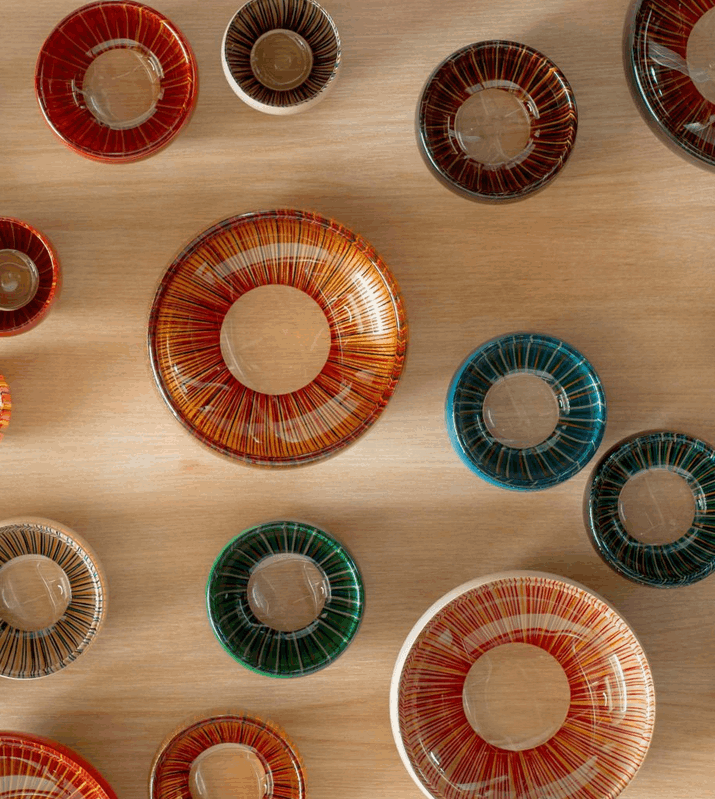
We explore the quiet beauty of Japanese design through the stories of master creators. Our platform dives deep into the world of pottery and textured ceramics. We celebrate the intricate elegance of lacquerware perfected over centuries. Every article highlights the dedication of skilled artisans keeping traditions alive. We connect modern audiences with authentic handmade crafts rooted in cultural heritage. Our mission is to preserve the dialogue between nature and Japanese design. You will discover functional art pieces ranging from rustic ceramics to refined lacquerware. We reveal how ancient pottery techniques continue to inspire the aesthetics of tomorrow.
We are a collective of writers deeply immersed in the study of traditional heritage and material culture. Our expertise stems from decades of living alongside local artisans in rural and urban Japan. We do not just observe the creation of handmade crafts; we document the philosophy embedded within the grain of wood and the surface of ceramics. Our insights bridge the gap between intangible history and the tangible beauty of Japanese design. We bring a scholarly yet accessible eye to the world of lacquerware and wood-firing.
The blog serves as a living archive for the preservation of pottery techniques and regional identity. We have spent years mapping the evolution of ceramics from ancient kilns to contemporary studios. Every story we publish is validated by direct collaboration with master artisans. We illuminate how the principles of simplicity define the pinnacle of Japanese design. Our deep respect for heritage ensures that even the most delicate lacquerware narrative is treated with accuracy and reverence.
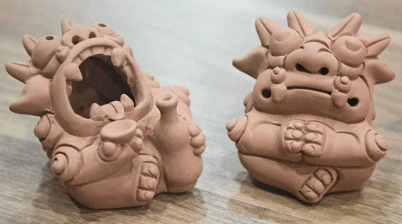
We provide an unfiltered look into the workshops where true handmade crafts are born. Our editorial team possesses a museum-level understanding of historical pottery and modern ceramics. We differentiate ourselves by focusing on the physicality of making, rather than just aesthetics. The knowledge we share comes from genuine mentorships under living national treasures of heritage. We meticulously detail the regional variations that define authentic Japanese design.
We translate the silent wisdom of Japan’s top artisans into compelling narratives. Our interviews often take place inside the studios where pottery wheels are spinning. We capture the minutiae of their brushwork in intricate lacquerware production. This direct line ensures our content on handmade crafts is always primary source material. The techniques shared reveal a multi-generational grasp of heritage.
We dedicate entire series to the nuances of clay, glaze, and the firing of ceramics. Readers learn to distinguish between different regional textures in Japanese design. We explore the chemistry of natural urushi sap used in refined lacquerware. This deep dive satisfies those who are passionate about the substance of handmade crafts. Our analysis honors the heritage of alchemy in traditional pottery studios.
We never separate the object from the philosophy driving Japanese design. Our articles explain the rituals and tea ceremonies influencing ceramics shapes. We detail how the passing seasons dictate the pace of work for artisans. A simple piece of lacquerware is contextualized within centuries of dining etiquette. Understanding this heritage transforms appreciation for all handmade crafts.
We produce long-form visual essays that dissect the lifecycle of ceramics from earth to gallery. Our video content captures the hypnotic rhythm of artisans applying gold dust to lacquerware. We create detailed photo journals exploring the asymmetrical beauty of Japanese design in architecture and objects. The focus is always on the tactile texture of handmade crafts rather than industrial perfection. We build step-by-step visual guides documenting ancient pottery restoration methods.
We also curate stories of regional heritage that rarely leave the Japanese countryside. Our team visits remote kilns to showcase the raw beauty of unglazed ceramics. We publish comparative studies analyzing the distinct philosophies behind Japanese design schools. The invisible labor of women artisans in sustaining lacquerware traditions is a key part of our narrative. We translate silent workshop rituals into universally resonant tales of handmade crafts.
The blog serves as an intimate diary of encounters with the keepers of heritage. We recently traced the journey of a single tea bowl, highlighting the collaborative handmade crafts process involving clay specialists and kiln masters. Through macro photography, we revealed the hidden crystalline structures within high-fired ceramics. Our essays argue that the slow production of lacquerware is the antidote to digital consumption. The philosophy of Japanese design serves as the silent protagonist in every recipe for indigo dyeing we share. We celebrate the imperfections that make artisans human and their pottery alive. The intersection of veganism and traditional hide glue in heritage restoration creates fascinating debate among readers.
We regularly feature the unsung artisans who craft liturgical objects from wood and lacquerware. Seasonal changes heavily influence our coverage, mirroring the rhythm of pottery firing schedules. A recent deep-dive explored how modern architects integrate massive ceramics installations into Tokyo skyscrapers. We dissected how Shinto principles subtly manipulate the negative space in Japanese design. We constantly argue that tactile literacy—touching handmade crafts—is essential for fully grasping heritage. The texture of clay, whether rough pottery or smooth ceramics, shapes our written word.
The village of Onta remains a living fossil of sound and smoke, where water-powered hammers crush earth day and night. This rhythmic pounding prepares the clay for a unique lineage of pottery that resists automation.
Lacquerware starts not in a workshop, but in a wounded tree exhaling a sticky, grey-white venom. This sap, urushi, is a living material that hardens only when embraced by humid air. The poison, which can raise blisters on human skin, transforms into the most elegant Japanese design known to man.
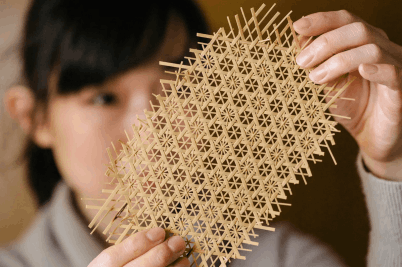
Before a single thread is dyed, Kyoto’s textile artisans require an arsenal of rigid bamboo tools. These instruments are functional ceramics-grade sculptures, polished by decades of friction. The city’s textile heritage relies on these silent assistants as much as the hands that hold them.
Anagama kiln firing is the ultimate gamble where flame decides the aesthetic. Wood burns, ash swirls, and silica melts in a chaotic ballet that defines wild pottery. Unlike electric consistency, this method of making ceramics insists on collaboration with thermodynamics. The artisans become stokers, feeding the dragon for days to paint surfaces with ember.
The distinctiveness lies in the natural urushi sap harvested meticulously by skilled artisans. It is a subset of handmade crafts relying on humidity to harden rather than evaporation. The depth of shine is a defining feature of luxury Japanese design. True lacquerware is bio-based, avoiding synthetic plastics to preserve heritage.
Authentic handmade crafts carry the fingerprints of the artisans who shaped them. You can spot the drag lines in the glaze that define real pottery. True ceramics of heritage value slight drips or warping as proof of handwork. In Japanese design, these "flaws" are celebrated as marks of life.
Asymmetry is a core pillar of heritage aesthetics reflecting natural growth patterns. Artisans who perfect pottery asymmetrical forms follow the Wabi-Sabi paradigm of Japanese design. Perfect circles are often avoided in handmade crafts to suggest movement. This irregularity in ceramics connects the object to the organic world.
Yes, the soil composition varies drastically, creating distinct handmade crafts identities. Kilns in one prefecture focus on bold pottery, while another refines translucent ceramics. Local artisans imbue their work with a specific heritage dialect of color. Understanding this regionalism is key to mastering Japanese design.
Start by studying the glossy interaction of light with Japanese design. Acknowledge that lacquerware is thermal, adjusting to your touch unlike cold ceramics. Focus on the weightlessness prized by master artisans in these handmade crafts. Appreciation begins with respecting the layered heritage that creates the perfect rim.
75 Shioyacho, Shimogyo Ward, Kyoto, 600-8052, Japan
9:00 - 18:00